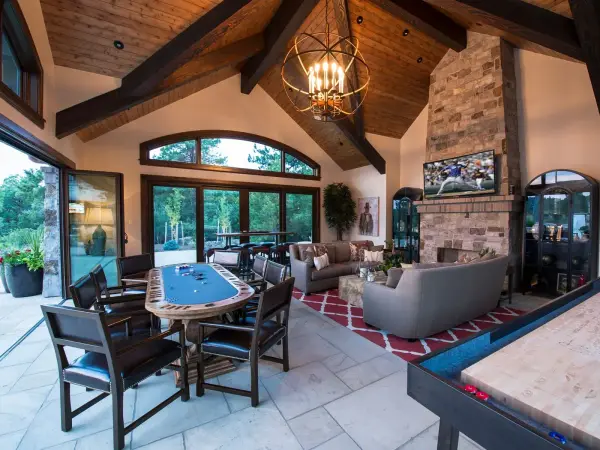
You spend months perfecting the look of your living room, selecting low-profile furniture and hiding messy cables, only to realize massive floorstanding speakers ruin the entire aesthetic. Staring at bulky wooden cabinets taking up valuable square footage is frustrating when you just want a clean, modern space that still sounds amazing. Striking a balance between high-fidelity sound and a minimalist design often feels impossible, leading many homeowners to search for better ways to hide their equipment. Integrating high-quality in ceiling speakers offers a powerful way to get the audio performance you crave without the visual clutter.
Our audio experts at DAVE have already solved this layout problem for countless local homes. We know how to preserve your interior design while delivering pristine audio for everything from casual listening to blockbuster movie nights. This guide covers everything you need to know about architectural audio, from early planning and sizing to comparing traditional flush mount speakers with completely hidden invisible models.
Upgrade Your Home Audio
Work with our experts to design a hidden sound system that perfectly matches your space.
Key Takeaways
- Early Planning: Running proper wiring and checking mounting depths before drywall goes up prevents costly installation delays.
- Speaker Sizing: Standard six-inch drivers handle background music well, while eight-inch models deliver the bass required for home theaters.
- Invisible vs. Flush Mount: Traditional models use paintable grilles, whereas invisible speakers are plastered completely out of sight.
- Moisture Resistance: Installing architectural audio in bathrooms or patios requires specialized equipment with high IP ratings to prevent damage.
The Shift to Architectural Audio
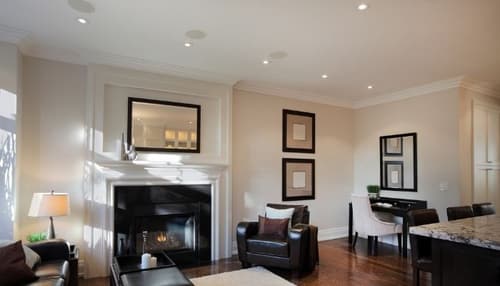
The days of designing a room around massive wooden speaker cabinets are fading fast. Modern homeowners now treat audio as a fundamental utility, much like overhead lighting, rather than a bulky afterthought. This shift toward architectural audio allows you to enjoy a hidden home theater without sacrificing high-fidelity sound quality.
Instead of relying on heavy standalone units, these passive speakers wire directly back to a central amplifier or AV receiver hidden in a closet or rack. This setup provides massive, room-filling sound while leaving your floor space completely open.
Essential Planning Steps for In-Ceiling Audio
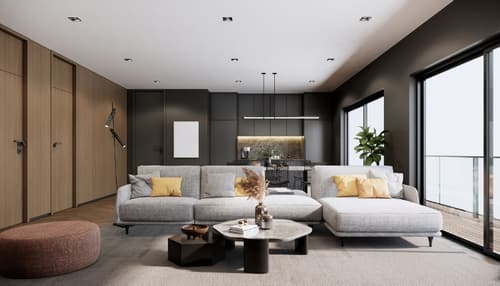
Getting the best performance out of your sound system starts well before the drywall goes up. Early preparation is the secret to a smooth installation for new builds and extensive remodels.
You need to check the mounting depth of your ceiling joists to confirm the speaker enclosures will fit properly. Utilizing back boxes is highly recommended, as they contain the sound and prevent audio from bleeding into the rooms above. For proper stereo imaging, always maintain at least two meters of distance between your left and right speaker pairs.
Installers use rough in brackets to reserve the exact speaker locations during the framing stage. You also must run adequate 2-core or 4-core speaker wire from every speaker location back to your central amplifier before the walls are closed.
In-Ceiling Speakers vs. Invisible Models: A Direct Comparison
| Feature | Traditional In-Ceiling Speakers | Invisible Speakers |
|---|---|---|
| Visual Footprint | Features a paintable grille that sits flush against the ceiling. | Completely hidden behind a thin layer of drywall mud or wallpaper. |
| Sound Dispersion | Often features aimable tweeters for directional listening. | Projects sound in a massive 180-degree wide dispersion pattern. |
| Installation Stage | Highly retrofit-friendly for existing finished rooms. | Requires strict pre-drywall installation before finishing the ceiling. |
| Serviceability | Grilles remove easily for fast access and maintenance. | Sealed finish requires cutting into the ceiling for internal repairs. |
| Ideal Use Cases | Great for dedicated home theater setups and everyday listening. | Perfect for design-first spaces and high-end luxury interiors. |
Sizing Your Sound: 6-Inch vs. 8-Inch Drivers
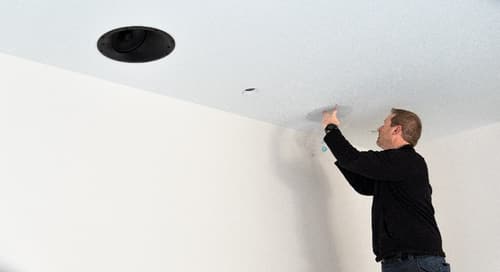
Selecting the right speaker size directly impacts the acoustic performance of your room. Standard 6-inch drivers are the most popular choice for background listening, ambient music, and medium-sized living spaces. They provide excellent clarity for everyday audio without requiring large ceiling cutouts.
For larger entertainment spaces or dedicated movie rooms, stepping up to 8-inch drivers is highly recommended. The physical physics of a larger speaker cone allows it to push more air, resulting in deeper bass extension and better performance at higher volumes. These larger units reproduce lower frequencies cleanly, meaning your action movies and heavy bass tracks will not suffer from distortion.
The Pros and Cons of In Ceiling Speakers
Installing architectural audio completely transforms how you experience media in your home, but it does require some structural planning. Understanding the specific advantages and trade-offs of in ceiling speakers helps you decide if a hidden system fits your renovation goals.
Pros
Aesthetic Preservation
Hiding your audio equipment in the ceiling keeps your floors clear and maintains a minimalist interior design.
Space-Saving Layouts
Removing large floorstanding cabinets frees up valuable square footage in smaller living rooms or apartments.
Immersive Audio
Placing audio channels directly overhead creates a realistic, three-dimensional soundscape for movies and music.
Custom Finishes
Paintable grilles allow you to perfectly match your exact ceiling color so the hardware blends away.
Cons
Installation Complexity
Running new speaker wire behind existing walls and cutting precise holes requires careful labor or professional help.
External Amplification
These passive units require separate amplifiers and receivers to function, meaning you need a central AV rack.
Building a Multi-Room and Home Theater Layout
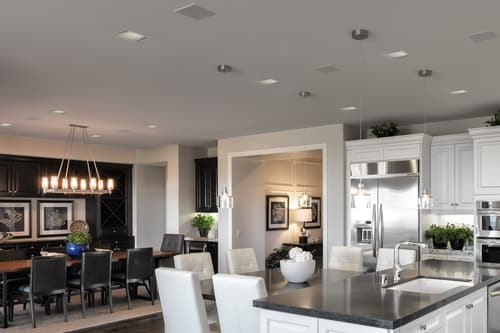
Designing a comprehensive home audio system requires careful placement, especially for 5.1 or 7.1 surround sound setups. When using architectural audio for a hidden home theater, aimable tweeters are incredibly valuable. You can point the left, center, and right channels directly toward the primary seating area, directing the sound to the listener rather than projecting it straight down at the floor.
For smaller areas like hallways or guest bedrooms, a single stereo speaker provides the perfect solution. These specialized units output both left and right audio channels from one physical device, saving ceiling space while still delivering a full-bodied sound.
Fine-Tuning Your System
To get the best possible sound from your distributed audio setup, you will need to dial in the final details:
- Crossover Settings: Route all the heavy low-end bass away from the ceiling units and send it directly to your in wall subwoofers.
- Room Calibration: Use your AV receiver's microphone system to measure the acoustic reflections and adjust the timing for your specific room shape.
- Zone Grouping: Configure your central amplifier so you can group different rooms together and play the same song throughout the entire house.
Audio for Kitchens, Bathrooms, and Outdoor Spaces
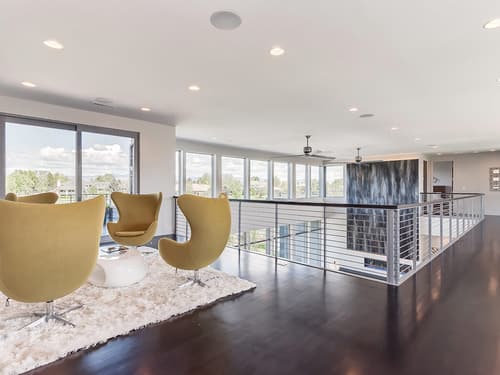
You do not have to limit your high-quality audio to the living room. Installing moisture resistant speakers allows you to enjoy your favorite playlists in demanding environments like bathrooms, indoor saunas, and busy kitchens.
When outfitting high-humidity areas or covered outdoor patios, always check the equipment's IP rating. Heavy-duty construction and specialized cone materials prevent driver degradation over time when exposed to steam, grease, or outdoor weather. This rugged build quality means your architectural audio will survive years of tough conditions without losing acoustic clarity.
Transform Your Home with In Ceiling Speakers
Getting the right architectural audio system comes down to choosing the correct driver sizes, planning your wiring early, and understanding the physical requirements of your ceiling space. Upgrading to in ceiling speakers provides an incredible listening experience while keeping your interior design completely intact.
Ready to build the ultimate hidden sound system? Visit our DAVE showroom today to hear the premium Sonance invisible series in person. Our local appliance experts provide professional system design, custom installation services, and direct integration support that big-box stores simply cannot match.
Frequently Asked Questions about In Ceiling Speakers
Yes, nearly all in ceiling speakers are passive devices that require an external amplifier or receiver to produce sound. You must run physical speaker wire from each ceiling unit back to your central audio rack for power and signal.
You should place your ceiling speakers roughly two meters apart to maintain a proper stereo separation for the listener. Placing them too close together muddies the left and right audio channels, while placing them too far apart creates dead zones in the middle of the room.
Yes, you can absolutely use in ceiling speakers to build a complete 5.1 or 7.1 home theater surround sound system. Utilizing models with aimable tweeters allows you to direct the dialogue and sound effects precisely toward your couch.
Yes, invisible speakers are completely hidden from view because they are literally plastered over with drywall mud or covered by wallpaper. They vibrate the finished surface itself to produce sound, leaving absolutely no visual footprint on your ceiling.
We highly recommend installing a back box for your ceiling speakers to improve sound quality and prevent audio from leaking into adjacent rooms. The rigid enclosure tightens up the bass response while acting as an acoustic barrier for the floor above.
You can safely install ceiling speakers in a humid bathroom or kitchen as long as you select moisture-resistant models. These specific units feature durable materials and high IP ratings designed to withstand heavy steam and humidity without degrading.
Why Trust DAVE?
With 25 years of experience in sales, design, and installation, DAVE has built a reputation for quality, expertise, and customer care. Unlike other retailers that rely on subcontractors, our in-house installation teams ensure precision and professionalism in every project. Our non-commissioned sales staff focuses on educating customers—without the jargon—so you can make informed decisions. Through ongoing training and strong vendor relationships, we stay ahead of industry trends, offering the latest technology at the best prices. Plus, with our 30-day price guarantee, you get top-tier service and the lowest price, every time. For expert advice and professional installation in Buffalo and Rochester, New York, visit Dave Digital and take the first step toward transforming your home.
Shop Ceiling Speakers at DAVE
At DAVE, we make shopping easy with a wide range of in-stock products, financing options, and professional delivery & installation to ensure a seamless experience. Whether you're a homeowner, business owner, builder, or designer, we offer expert support for residential solutions and commercial solutions, repairs, and custom solutions. Take advantage of our exclusive member perks, special promotions, and clearance/outlet catalogs for unbeatable deals. Need help? Submit a form online, and our team will assist you with finding the perfect products. Shop smarter with DAVE—where quality, service, and savings come together!