
Saturday morning rolls around, and the dining room table is covered in plastic wrap, mounting brackets, and a tangled mess of passive infrared sensors. The weekend plan was to quickly mount a few cameras and door contacts, but three hours later, the main base station refuses to connect to the network. Frustration sets in when you realize the hallway camera has a massive blind spot, and the mobile app keeps dropping the signal every time someone walks past the metal ductwork in the basement. Dealing with DIY home security systems often turns into an exhausting weekend project that leaves your house with unprotected dead zones.
Our team has untangled plenty of these half-finished setups, bringing real stability back to local properties. We know exactly how to bypass the headaches of amateur equipment placement and faulty wireless connections. This guide breaks down five significant risks of installing your own alarm hardware, showing you why relying on off-the-shelf kits might put your property at risk.
Secure Your Home with Expert Precision
Skip the weekend frustration and let our team design a foolproof protection plan for your property.
Key Takeaways
- Hidden Subscription Costs: Off-the-shelf kits often require ongoing fees for cloud storage and cellular backups that exceed standard professional monitoring rates over time.
- Vulnerable Connectivity: Structural obstacles like brick and ductwork easily block wireless signals, creating dangerous dead zones in larger homes.
- Delayed Emergency Response: Self-monitoring forces you to act as the dispatcher during a crisis, lacking the immediate response of a dedicated monitoring center.
- Human Error Risks: Improperly mounted sensors frequently lead to false alarms, which can result in expensive fines from local municipalities.
1: Why Self-Monitored Home Security Eventually Costs You More

Many homeowners assume they are saving money by avoiding long-term contracts. The upfront hardware cost of a self-monitored setup appears incredibly low at checkout. However, the piecemeal addition of necessary components quickly inflates the total investment.
You eventually realize that "no monthly fees" usually means missing out on vital functionality. To make the system actually work, you end up paying for premium monthly service tiers anyway. These hidden costs add up fast when you factor in cloud storage fees for video clips and required cellular backup costs if your internet drops.
Are DIY systems actually cheaper in the long run? Usually, they are not. The hardware lifespan of budget sensors is notoriously short, leading to frequent replacement costs. When you add up the subscription paywalls, cellular backups, and replacement parts, the cost often eclipses a professional installation package over a three-year period.
2: The Danger of Human Error in DIY Setup

Setting up security hardware requires an understanding of how distinct types of motion detectors operate in a physical space. The probability of human error during an amateur setup is incredibly high. A simple mistake like misaligning window contacts or mounting passive infrared (PIR) sensors too low completely compromises the setup.
These amateur mistakes easily create blind spots that intruders can exploit. Local municipalities frequently charge hefty fines for false alarms triggered by poorly mounted DIY sensors. These false alarm penalties can cost hundreds of dollars per incident. A trained technician completely mitigates this risk by verifying the field of view and testing every zone before leaving the house.
Our appliance experts know that passive infrared sensors must always be mounted at least six feet off the ground and angled downward to avoid pets while effectively catching human movement.
Common Installation Mistakes
Mounting equipment without professional training leads to a variety of functional failures. Amateurs regularly make these critical errors:
- Incorrectly positioning the field of view on outdoor cameras.
- Installing motion sensors too close to heating vents or direct sunlight.
- Failing to secure mounting brackets into structural studs.
- Leaving gaps in door contacts that prevent the alarm from arming.
3: Why Lack of Fail-Safes and Slow Dispatch Threatens Your Safety
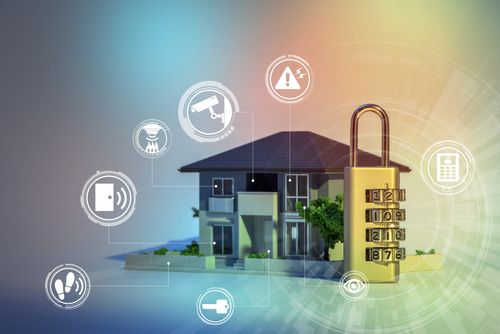
A loud siren might scare off a casual trespasser, but it does not guarantee help is on the way. The critical gap in emergency dispatch times is the biggest risk of relying on a self-monitored alarm. You are entirely responsible for seeing a notification on your phone and dialing the authorities yourself.
What happens if you miss a security notification on your phone? You receive no emergency response at all. In an actual emergency like an armed intrusion, you cannot reliably self-dispatch first responders while managing an active crisis.
Professional systems connect directly to 24/7 monitoring centers. This setup includes vital fail-safe codes and duress signals that allow you to silently alert the police if an intruder forces you to disarm the panel. Most over-the-counter DIY home security systems completely lack these life-saving features.
Comparing DIY Kits vs. Professionally Monitored Alarm Systems
Off-the-shelf kits heavily limit your protection compared to a hardwired professional integration. The differences in reliability become glaringly obvious during a real emergency.
| Feature | DIY Security Kits | Professionally Monitored Systems |
|---|---|---|
| Emergency Response | Relies on slow self-dispatch through mobile app alerts. | Connects instantly to a 24/7 monitoring center for rapid dispatch. |
| Equipment Placement | Requires amateur guesswork that leaves dangerous blind spots. | Relies on strategic expert mounting for total property coverage. |
| Power & Connectivity | Heavily dependent on residential Wi-Fi and standard batteries. | Uses cellular and hardwired backups to stay online during outages. |
| Troubleshooting | Forces you to rely on self-service forums and slow email support. | Provides rapid on-site technical support and hardware replacement. |
4: How Wi-Fi Drops and Limited Range Defeat Wireless DIY Systems

Do DIY systems work reliably in big houses? They frequently struggle to maintain a stable connection across large floor plans. The technological limitations of wireless-only setups become obvious when sensors fail to communicate with the central base station.
Standard Z-Wave technology and mesh networks lose significant signal strength when passing through physical barriers. Structural elements like solid brick walls, metal ductwork, and thick insulation block wireless signals from reaching the main hub. This signal interference leaves entire zones completely unprotected.
You also have to constantly monitor battery life across every single device. When the network drops, your wireless cameras and sensors instantly turn into useless plastic decorations. Professional integrators bypass Wi-Fi dead zones entirely by installing hardwired stability that never drops a signal.
5: The Frustration of Broken Devices and No Technical Assistance

Who fixes your security system if a camera stops working? If you installed it yourself, you are entirely responsible for system troubleshooting. Big-box retail kits typically offer very limited technical support when hardware fails.
You are left dealing with a massive ongoing maintenance burden. Managing these generic systems requires you to handle everything from forcing firmware updates to replacing proprietary hardware. This proprietary tech lock-in forces you to buy replacement parts from a single manufacturer, even if their hardware lifespan is incredibly short.
Most over-the-counter kits only offer a standard one-year limited hardware warranty. Once that expires, you have to buy brand new cameras entirely out of pocket. We provide comprehensive, long-term service guarantees so you never have to waste your evening on hold with a remote call center.
The Pros and Cons of DIY Home Security Systems
While off-the-shelf setups offer rapid convenience, the serious trade-offs often compromise true, reliable protection. Evaluating these factors helps you make a safer choice for your property.
Pros
Lower Upfront Hardware Costs
Standard sensors and hubs are relatively inexpensive to purchase at a retail store.
Easy Portability for Renters
Wireless cameras and stick-on door contacts can be quickly packed up and moved to a new apartment.
Cons
High Risk of False Alarms
Improper placement of motion detectors frequently triggers false alarms that lead to municipal fines.
Zero Emergency Dispatch
You are solely responsible for calling the police if an intrusion occurs while you are sleeping or away from your phone.
Severe Signal Interference
Standard wireless sensors fail to communicate through thick walls, leaving areas of your home completely exposed.
No Dedicated Technical Support
Broken hardware requires you to spend hours reading self-help forums instead of receiving on-site repairs.
Protect Your Family Better Than DIY Home Security Systems Can
Achieving real peace of mind requires foolproof connectivity and an immediate emergency response during a crisis. Piecing together a budget alarm kit leaves your property vulnerable to dropped signals, dead zones, and costly false alarms.
Protect your family by investing in a robust, hardwired solution designed by local professionals. Visit DAVE to browse our premium inventory and let our appliance experts guide you through the best protection options for your layout. We provide personalized customer service, expert showroom guidance, and complete professional installation you can trust.
Frequently Asked Questions About DIY Home Security Systems
DIY home security systems are generally less reliable to use because they lack 24/7 professional monitoring and hardwired fail-safes. The heavy reliance on residential Wi-Fi and self-dispatching creates dangerous vulnerabilities during an actual home invasion.
Yes, most DIY security systems require a stable Wi-Fi connection to send alerts to your smartphone and record video footage. If your home internet router loses power or drops the signal, the wireless sensors cannot communicate with the central base station.
You can add 24/7 professional monitoring to some DIY security systems by purchasing a premium subscription tier from the manufacturer. However, you are still relying on amateur sensor placement, which increases the likelihood of costly false alarms being sent to dispatchers.
If your DIY alarm goes off and you are not home, the central base station will simply sound a local siren and push a notification to your mobile app. Without professional monitoring, no emergency first responders will be dispatched unless you see the alert and call them yourself.
Wireless DIY security sensors do not work effectively in large homes due to severe signal interference from walls, floors, and metal ductwork. The limited range of standard mesh networks prevents distant door contacts from successfully reaching the main hub.
A DIY home security system will rarely lower your homeowners insurance premium in any significant way. Insurance providers typically require proof of a professionally installed, hardwired setup with an active central monitoring certificate to issue substantial policy discounts.
Why Trust DAVE?
With 25 years of experience in sales, design, and installation, DAVE has built a reputation for quality, expertise, and customer care. Unlike other retailers that rely on subcontractors, our in-house installation teams ensure precision and professionalism in every project. Our non-commissioned sales staff focuses on educating customers—without the jargon—so you can make informed decisions. Through ongoing training and strong vendor relationships, we stay ahead of industry trends, offering the latest technology at the best prices. Plus, with our 30-day price guarantee, you get top-tier service and the lowest price, every time. For expert advice and professional installation in Buffalo and Rochester, New York, visit Dave Digital and take the first step toward transforming your home.
Shop Home Security Systems at DAVE
At DAVE, we make shopping easy with a wide range of in-stock products, financing options, and professional delivery & installation to ensure a seamless experience. Whether you're a homeowner, business owner, builder, or designer, we offer expert support for residential solutions and commercial solutions, repairs, and custom solutions. Take advantage of our exclusive member perks, special promotions, and clearance/outlet catalogs for unbeatable deals. Need help? Submit a form online, and our team will assist you with finding the perfect products. Shop smarter with DAVE—where quality, service, and savings come together!