
Leaving for a week-long vacation should bring relief, but often it just triggers a nagging worry about the empty house left behind. That unsettling feeling peaks when a mysterious package delivery notification pops up, but there is no way to verify if the box is actually sitting safely on the porch. Relying on neighbors to occasionally glance at the driveway is an outdated strategy that leaves properties vulnerable. Deciding to install cameras for security at home shifts the dynamic entirely, putting real-time monitoring directly in the palm of a hand.
Taking control of property surveillance is easier than ever with today's smart technology. Our appliance experts know that navigating the massive market of monitors, floodlights, and doorbells can feel overwhelming, which is why we have broken down the essentials to streamline the decision. This guide explores the different types of available surveillance systems, highlights vital hardware features to look for, and outlines the practical trade-offs of modern camera setups so anyone can find the exact coverage their property demands.
Protect Your Property Today
Browse our premium selection of advanced surveillance systems and smart home monitors.
Key Takeaways
- Deterrence and Evidence: Visible surveillance units actively discourage trespassing while providing vital video evidence in case of property disputes.
- Tailored Monitoring Zones: Different areas of a property require specific hardware, from discreet indoor monitors to high-lumen outdoor floodlight cameras.
- Installation Flexibility: Modern systems offer a choice between flexible wire-free setups and robust hardwired networks for uninterrupted reliability.
Why You Need Cameras for Security at Home Now

Transitioning from feeling vulnerable to being in complete control is the primary motivation for upgrading a residential monitoring system. Modern surveillance setups provide an active shield around a property, giving residents the ability to check on their home from anywhere in the world. This immediate access transforms vague anxieties into concrete, actionable insights.
The advantages of installing a surveillance system extend far beyond simply catching a thief on tape. Here are the core benefits of a modern network:
- Active Crime Deterrence: Prominently placed outdoor lenses make potential intruders reconsider their targets, stopping many incidents before they occur.
- Reliable Evidence Collection: High-definition recordings offer indisputable proof of trespassing, package theft, or property damage for law enforcement and insurance claims.
- Unmatched Peace of Mind: Checking a live feed from a smartphone app allows residents to verify that kids arrived home safely or that a pet is behaving.
Breaking Down the Types of Home Security Cameras
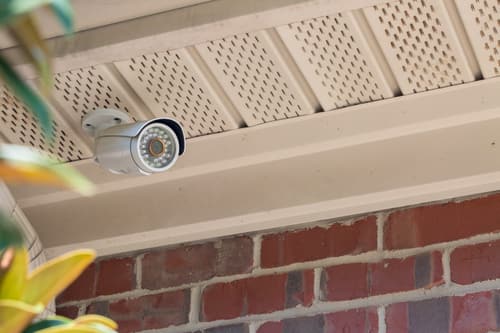
Securing a property requires understanding that different architectural zones demand distinct hardware solutions. A one-size-fits-all approach rarely provides adequate coverage for a standard residential layout. Navigating indoor vs outdoor security cameras helps determine exactly where to allocate a security budget.
Video Doorbells
The front porch is the most active zone for daily traffic and package deliveries. Video doorbells provide a wide-angle view of the entryway and usually feature two-way audio to communicate with visitors directly. These compact units act as the primary gatekeeper for the property.
Outdoor Floodlight Cameras
Dark driveways and expansive backyards require aggressive illumination combined with wide-angle recording. Floodlight units activate intense LED beams upon detecting motion, instantly blinding intruders and capturing crisp, full-color video. These are typically hardwired to guarantee constant power for the high-draw lights.
Indoor and Wire-Free Monitors
Monitoring internal hallways, nurseries, or basement access points requires discreet hardware. Utilizing a camera wireless home security setup allows for flexible placement without drilling holes through drywall. Battery-powered indoor models can sit on bookshelves or mount in corners to keep an eye on pets and internal foot traffic.
Building a reliable residential surveillance network provides immense value, but it also introduces new maintenance requirements and privacy considerations. Understanding the trade-offs is essential before making a significant investment in hardware.
Pros
Instant Threat Alerts:
Motion detection algorithms send immediate push notifications to a smartphone when a person enters a designated activity zone.
Remote Property Access:
Live streaming capabilities allow homeowners to visually inspect their property in real-time from anywhere with an internet connection.
Insurance Premium Discounts:
Many home insurance providers offer reduced rates for properties protected by comprehensive, monitored surveillance networks.
Integration Capabilities:
Modern systems easily connect with existing smart displays, locks, and lighting to create an automated defensive perimeter.
Cons
Ongoing Battery Maintenance:
Wire-free models require regular manual recharging or battery replacement to maintain continuous operation.
Bandwidth Consumption:
Multiple high-definition streams uploading to the cloud can significantly strain a local home Wi-Fi network and slow down internet speeds.
What to Look for in Modern Security Cameras
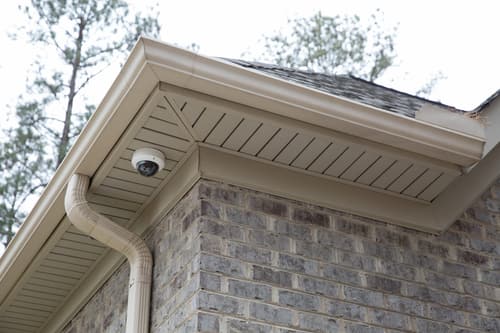
Selecting the right hardware means looking past basic marketing specifications to find features that genuinely enhance property protection. Choosing units with 4K resolution guarantees that vital details, like license plates and facial features, remain legible even when digitally zooming in on the footage. Standard infrared sensors often render everything in grainy black and white, making color night vision a necessary upgrade for accurately identifying suspect clothing or vehicle colors after dark.
Beyond resolution, intelligent motion tracking zones reduce annoying false alarms triggered by swaying branches or passing traffic. Two-way audio allows residents to issue a verbal warning to trespassers, often scaring them off the property before a break-in happens. When planning a layout, carefully check the field of view specifications. Our installation experts highly recommend overlapping the field of view of two exterior cameras at major entry points to eliminate blind spots completely. Finally, prioritizing local video storage over cloud storage guarantees that footage remains accessible and secure even during a sudden internet service outage.
Comparing Wireless vs Wired Security Cameras
| Feature | Wireless Wi-Fi Cameras | Hardwired PoE Cameras |
|---|---|---|
| Installation Difficulty | Quick and easy mounting with zero drywall drilling required. | Complex installation requiring routing Ethernet cables through walls and attics. |
| Power Source | Relies on rechargeable batteries that require periodic manual charging. | Draws continuous power directly through the Ethernet cable for zero downtime. |
| Network Latency | Susceptible to signal interference and slight delays in video feeds. | Delivers an instant, stable connection with zero wireless interference. |
| Video Quality | Often compressed to save Wi-Fi bandwidth and battery life. | Supports maximum 4K resolution uncompressed data streams. |
| Internet Outage Resilience | Frequently loses remote recording capabilities if the router drops offline. | Maintains localized recording to an NVR even without an active internet connection. |
Protecting Your Privacy with Smart Cameras

Bringing networked recording devices into a private residence naturally raises valid concerns regarding digital privacy and unauthorized access. Hackers exploiting weak network vulnerabilities to view live feeds is a widely publicized fear. Mitigating these risks requires proactive network management rather than avoiding the technology entirely.
The first line of defense is securing the home Wi-Fi network with a complex, unique password and WPA3 encryption. Enabling two-factor authentication within the manufacturer's smartphone application is an absolute necessity, as it blocks unauthorized users even if a password is compromised. Homeowners should exclusively purchase equipment from reputable brands that advertise strict end-to-end encryption protocols, guaranteeing that not even the manufacturer can access the recorded video feeds.
DIY vs Professional Security Camera Installation

The choice between a weekend project and a professional integration largely dictates the type of hardware a homeowner can deploy. Basic battery-powered, wire-free systems cater to the DIY route, allowing for quick placement using basic tools and minimal technical knowledge. While convenient, these setups often leave messy charging cables exposed and require ongoing manual upkeep.
Opting for professional home surveillance camera installation removes the friction of building a comprehensive network. Trained technicians handle the complex routing of cables, guaranteeing a clean aesthetic with completely hidden wiring. A professional integration provides optimal viewing angles, prevents wireless signal dead zones, and smoothly syncs the new hardware with an existing smart home ecosystem for centralized control.
Secure Your Peace of Mind with Cameras for Security at Home
Investing in cameras for security at home provides an invaluable layer of protection, acting as both an active deterrent and a reliable digital witness. Balancing features like 4K resolution, localized storage, and robust network security guarantees that a property remains monitored and safe around the clock. Visit DAVE today to explore our extensive showroom of advanced monitoring solutions. Our dedicated team is ready to provide personalized guidance, ongoing local customer service, and professional installation to guarantee your new system operates flawlessly.
Frequently Asked Questions about Cameras for Security at Home
Certain security cameras work without Wi-Fi by recording footage directly to a local MicroSD card or a hardwired Network Video Recorder. However, lacking an internet connection eliminates the ability to receive real-time push notifications or view live remote feeds on a smartphone.
Home surveillance cameras typically consume between 1 to 4 Mbps of upload bandwidth per device, depending on the video resolution and frame rate. Heavy network traffic from multiple 4K cameras streaming simultaneously can slow down other internet activities in the household.
Modern security cameras record clear video in total darkness by utilizing specialized infrared LEDs to illuminate the surrounding area. Advanced models feature color night vision technology, which relies on a built-in spotlight to capture full-color details instead of standard black-and-white infrared footage.
Motion detection triggers a camera to record a brief video clip only when physical movement crosses its sensors, conserving storage space and battery life. Continuous recording captures a 24/7 uninterrupted video stream, requiring a hardwired power source and substantial storage capacity like a dedicated Network Video Recorder.
Wireless security camera batteries usually last between two to six months on a single charge under normal operating conditions. High traffic areas that trigger constant motion alerts and frequent live streaming will drain the battery significantly faster than quiet, low-traffic zones.
Monthly subscriptions are not strictly required to use home security cameras, especially if the device utilizes local storage for video clips. However, manufacturers often lock premium features like cloud video backups, advanced person detection algorithms, and professional emergency monitoring behind a paid subscription plan.
Why Trust DAVE?
With 25 years of experience in sales, design, and installation, DAVE has built a reputation for quality, expertise, and customer care. Unlike other retailers that rely on subcontractors, our in-house installation teams ensure precision and professionalism in every project. Our non-commissioned sales staff focuses on educating customers—without the jargon—so you can make informed decisions. Through ongoing training and strong vendor relationships, we stay ahead of industry trends, offering the latest technology at the best prices. Plus, with our 30-day price guarantee, you get top-tier service and the lowest price, every time. For expert advice and professional installation in Buffalo and Rochester, New York, visit Dave Digital and take the first step toward transforming your home.
Shop Home Security at DAVE
At DAVE, we make shopping easy with a wide range of in-stock products, financing options, and professional delivery & installation to ensure a seamless experience. Whether you're a homeowner, business owner, builder, or designer, we offer expert support for residential solutions and commercial solutions, repairs, and custom solutions. Take advantage of our exclusive member perks, special promotions, and clearance/outlet catalogs for unbeatable deals. Need help? Submit a form online, and our team will assist you with finding the perfect products. Shop smarter with DAVE—where quality, service, and savings come together!