At a Glance:
The Science Behind Light and Human Behavior
How Mood Lighting Effects on Sleep Quality
Lighting's Impact on Productivity and Focus
Creating Effective Lighting Scenes for Different Spaces
The Benefits of Smart Lighting and Circadian Systems
Ever walked into a room and felt instantly relaxed? Or sat down in a workspace that just felt perfect for productivity? The secret often lies in the lighting. More specifically, it's about using mood lighting to create an environment that supports how we live, work, and rest.
The link between light and our well-being is surprisingly deep. It can shape our emotions, guide our sleep, and boost our focus. Understanding how lighting affects mood and productivity is key to designing spaces that truly work for you.
Create the Perfect Mood at Home
From the best ways to start your day to helping you fall asleep at night, lighting control plays a pivotal role in your everyday tasks. Learn more about how lighting can impact your daily life by speaking to a home lighting expert at DAVE's.
Learn More About Home Lighting ControlThe Science Behind Light and Human Behavior
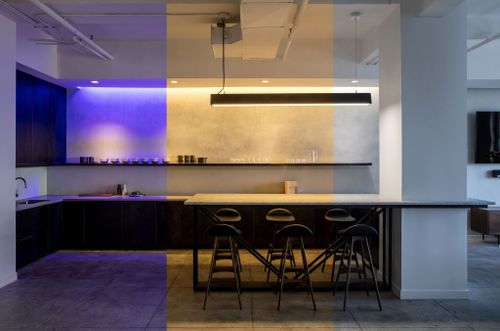
Light does more than simply illuminate spaces. It serves as a biological signal, helping the human body regulate key functions like waking up, focusing, and winding down. Specialized cells in the retina detect light and send messages directly to the brain's master clock, influencing our internal processes.
The circadian rhythm
The body's internal 24-hour cycle, known as the circadian rhythm, depends on light to stay in sync. Poor lighting choices can disrupt this rhythm, leading to negative effects on mood, energy, and even metabolism. Research shows that exposure to natural light or well-lit environments improves overall well-being and reduces symptoms of depression.
Color temperature and its effects
Color temperature, measured in Kelvin (K), plays a vital role in how light impacts the body. It determines whether light feels warm or cool:
- Warm light (2700K-3000K): Creates a relaxing, comforting atmosphere, similar to candlelight or a sunset.
- Neutral light (3500K-4500K): Offers balanced illumination, ideal for everyday activities.
- Cool light (5000K-6500K): Mimics daylight, promoting alertness, focus, and productivity.
The importance of brightness levels
Brightness is equally crucial. Lighting that is too dim can leave people feeling tired or unmotivated, while overly bright light at inappropriate times can disrupt natural sleep cues. Achieving the right balance in both brightness and color temperature enhances how spaces feel and supports better functionality for those within them.
How Mood Lighting Effects on Sleep Quality

Sleep quality is closely tied to light exposure. Melatonin, the sleep hormone, increases in darkness but drops with exposure to bright or blue light in the evening, making it harder to fall asleep.
Mood lighting for better sleep involves shifting to warmer, dimmer lighting 2-3 hours before bed to support melatonin production. Key lighting design tips include:
- Dimmable overhead fixtures at 20-30% brightness in the evening
- Warm-toned bedside lamps (2700K or lower) for reading
- Avoiding overhead blue light after sunset
- Ensuring blackout capability for total darkness during sleep
Many struggle with sleep due to bright, cool lighting in the evening. The solution? Create a lighting schedule that mimics natural daylight patterns.
Circadian rhythm lighting systems simplify this with smart lighting that adjusts color temperature and brightness throughout the day—energizing light in the morning, bright neutral tones midday, and warm amber hues in the evening.
Lighting's Impact on Productivity and Focus

Good lighting can significantly impact productivity and mood. Studies show that workers in well-lit environments complete tasks more efficiently, make fewer mistakes, and feel more satisfied with their jobs. Here’s how lighting influences mood and performance:
How lighting affects mood and productivity
Several factors play a role in optimizing lighting for better focus and comfort:
- Brightness levels for task performance:
- Higher light levels are essential for focused work.
- Aim for around 500 lux for computer use and up to 1000 lux for detailed activities like reading small text.
- Color temperature for alertness:
- Cool white light (5000K-6500K) helps reduce drowsiness and improve reaction times.
- It’s especially effective in home offices and study areas where concentration is critical.
- Reducing eye strain:
- Poor lighting can strain the eyes, leading to headaches and fatigue.
- Balance ambient lighting with task lighting, and reduce screen glare to prevent discomfort.
By tailoring your lighting setup to these principles, you can create a workspace that supports both productivity and well-being.
A proper home office lighting design should combine multiple sources:
- Overhead ambient lighting for general illumination.
- Task lighting, like desk lamps, positioned to reduce shadows.
- Natural light from windows whenever possible.
- Adjustable controls to change lighting based on the time of day and the task.
People working under optimal lighting often finish projects faster and feel less tired at the end of the day, avoiding those afternoon energy slumps.
Creating Effective Lighting Scenes for Different Spaces

Each room in a home serves different purposes, and mood lighting should reflect those needs. The beauty of modern lighting design lies in its flexibility: the same space can transform from energizing to relaxing with simple adjustments.
Living Room Lighting Strategies
Living rooms need versatile mood lighting to suit activities like movies, reading, or socializing. Use layers:
- General ambient lighting: Ceiling or recessed lights for base illumination
- Accent lighting: Highlight art, plants, or features for depth
- Task lighting: Reading lamps for focused activities
- Dimmable controls: Adjust brightness for time and activity
For movies, dim overhead lights and add subtle accents to reduce screen glare. Social gatherings benefit from warm, bright lighting, while low, warm lights are perfect for winding down.
Bedroom Lighting for Rest and Relaxation
Your bedroom's primary function is to support sleep. This requires a lighting design that transitions from bright morning light to warm, sleep-inducing evening tones.
Optimize home lighting in bedrooms with these changes:
- Install dimmers on overhead lights.
- Use warm-toned bulbs (2700K max).
- Add adjustable bedside lamps.
- Use amber or red nightlights.
- Eliminate blue light from electronics like bright alarm clocks.
The objective is to make darkness effortless at bedtime and introduce light gently upon waking. Harsh overhead lighting can actively disrupt quality rest.
Home Office Lighting for Performance
Productivity spaces need a different approach. Mood lighting in home offices should energize you and keep you focused. Smart features emphasize the use of technology to make living more comfortable, thereby making people in it more productive.
Key elements for your home office:
- Bright, cool-toned lighting (5000K-6000K) during work hours.
- Task lighting positioned to light up your desk without causing screen glare.
- Natural light integration with adjustable shades to manage brightness.
- Gradual evening transition to warmer light as you wrap up your day.
Place desk lamps to the side of your computer screen to avoid reflections while still lighting your tasks. For video calls, a soft light source in front of your workspace will illuminate your face for a professional appearance.
The Benefits of Smart Lighting and Circadian Systems
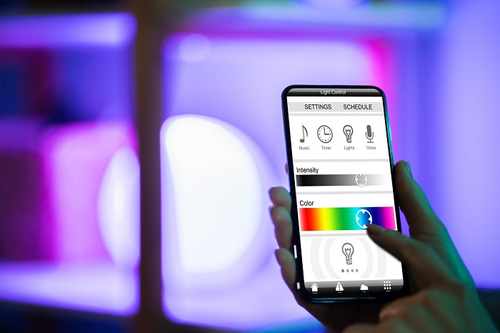
Technology has revolutionized mood lighting, offering capabilities far beyond what traditional switches provide. Smart lighting systems now allow unprecedented control and customization, making it easier to create the perfect ambiance for any situation.
Modern Features of Smart Lighting
Smart lighting systems are packed with features designed to enhance convenience and functionality, including:
- Programmable scenes activated with a single command
- Automated schedules that adjust lighting throughout the day
- Voice control via digital assistants
- Remote access through smartphone apps
- Color tuning to fit any mood or activity
- Integration with other smart home devices
One standout feature is circadian rhythm lighting, which supports the body's natural patterns. These systems are designed around research on sleep cycles and light therapy, using pre-programmed schedules to align lighting with the time of day.
Circadian Rhythm Lighting: A Sample Schedule
A typical circadian rhythm lighting setup might follow these phases:
- Morning (6 AM - 10 AM): Bright, blue-enriched light (6000K-6500K) to reduce melatonin and increase alertness.
- Midday (10 AM - 4 PM): Neutral light (4000K-5000K) to sustain focus and energy.
- Evening (4 PM - 8 PM): Gradual transition to warmer tones (3500K-4000K) as melatonin production begins.
- Night (8 PM - Bedtime): Warm, dim lighting (2700K or lower) to promote relaxation and sleepiness.
- Sleep Hours: Complete darkness or dim amber lighting for nighttime navigation.
Learn more: 4 Benefits of Motorized Window Shades
Benefits of Smart Lighting Systems
The investment in smart lighting pays off in multiple ways. Users often report improved sleep quality, increased energy levels in the morning, and a better overall mood throughout the day. By aligning lighting with natural circadian rhythms, these systems can enhance both productivity and well-being.
How to Optimize Home Lighting Room by Room
Optimize home lighting by approaching each space individually while maintaining consistency in overall strategy. Start by evaluating current lighting and identifying problem areas.
Lighting Optimization Checklist
Bedrooms:
- Replace cool-white bulbs with warm-toned options (2700K-3000K)
- Add dimmer switches to all overhead fixtures
- Position bedside lamps for easy reach and minimal glare
- Block external light sources with blackout curtains or shades
- Remove or cover bright alarm clock displays
Home Offices:
- Install task lighting with adjustable arms for optimal positioning
- Use daylight-balanced bulbs (5000K-6000K) during work hours
- Add sheer curtains to control natural light without blocking it completely
- Position computer screens perpendicular to windows to reduce glare
- Consider a floor lamp for additional ambient lighting that reduces harsh shadows
Living Areas:
- Create multiple lighting zones with separate switches or smart controls
- Use three-way bulbs or dimmers for flexibility
- Add accent lighting to highlight favorite features
- Include both upward-facing (ambient) and downward-facing (task) fixtures
- Install warm white bulbs (3000K-3500K) for comfortable evening use
Kitchens:
- Combine bright overhead lighting with under-cabinet task lights
- Use neutral white bulbs (3500K-4000K) that render food colors accurately
- Add dimmers to transition from bright meal prep to a softer dining ambiance
- Consider pendant lights over islands or breakfast bars for visual interest
The key to successful lighting design lies in layers. Single overhead fixtures rarely meet all the needs of a space. Multiple light sources at different heights and with different purposes create flexibility and visual interest. For your lighting needs, or smart solutions you want to try at home, choose our reliable services from us at DAVE to handle this.
Learn more: How Smart Home Lighting Transforms Everyday Living
Measuring the Real-World Impact
The advantages of proper mood lighting go beyond just comfort. People who use circadian rhythm lighting often see measurable benefits in their sleep and productivity.
Commonly reported improvements include:
- Falling asleep faster
- Waking up less during the night
- Feeling more alert in the mornings
- Experiencing fewer afternoon energy slumps
- Better focus on work tasks
These changes are often confirmed by sleep trackers and productivity apps. Studies on workplace lighting even show that employees with tunable lighting systems take fewer sick days and report higher job satisfaction. This demonstrates a deep connection between light and overall health.
Practical Steps to Get Started
Improving your home's lighting doesn't have to be a major project. Start with simple changes for immediate benefits.
Quick wins for better mood lighting:
- Replace bedroom bulbs with warm-toned, dimmable options.
- Add task lighting, like desk or floor lamps, where you need focused light.
- Create evening routines by manually dimming lights a few hours before bed.
- Block blue light in the evening with amber-toned bulbs.
- Control natural light using curtains or shades to manage brightness.
If you're ready to invest in smart lighting, start with high-impact areas like bedrooms and home offices. Many systems are expandable, so you can add more rooms later.
Think of better lighting not as an expense, but as an investment in your daily quality of life. The cost is small compared to the long-term gains in sleep and productivity.
Learn more: Savant Home Automation Installation: What to Expect
Frequently Asked Questions
The circadian rhythm is the body's 24-hour internal clock that regulates sleep, hormones, body temperature, and more. It is influenced by light and darkness. Blue light signals the brain to suppress melatonin and stay alert, while darkness increases melatonin to prepare for sleep. Disrupting this rhythm with improper light exposure can cause sleep issues, mood changes, and reduced cognitive performance.
Yes, mood lighting is worth it, especially if you struggle with sleep, fatigue, or productivity. Adjusting color temperature and brightness supports your body's natural rhythms. While simple bulb changes help, smart lighting offers the most significant benefits through automation. Many people see improved sleep within the first week of using proper mood lighting for better sleep.
How lighting affects mood and productivity depends on how the brain reacts to light. Bright, cool-toned light boosts alertness and focus by suppressing melatonin, helping with concentration. Warm, dim lighting promotes relaxation and melatonin production, ideal for evenings but not for work. Light's color, intensity, and timing influence neurotransmitters like serotonin and dopamine, which impact mood. Proper light exposure can ease seasonal depression, enhance productivity, and improve emotional balance.
To choose the right circadian rhythm lighting, find a system with a broad color temperature range (2700K to 6500K) and automated scheduling. Smart home integration simplifies control. The best systems offer customization for personal sleep schedules, avoiding generic settings. Look for features like gradual wake-up lighting and automatic evening dimming to support natural sleep-wake cycles.
Transform Your Space with Thoughtful Lighting
The link between light and human function is clear. Every day offers a chance to optimize home lighting for better sleep, productivity, and overall well-being. Science confirms that the right light at the right time significantly impacts how people feel and perform.
You can begin with simple adjustments for immediate improvements:
- Use warmer bulbs in bedrooms to promote relaxation.
- Install brighter task lighting in home offices to enhance focus.
- Add dimmers to living spaces for evening use.
For even greater benefits, consider smart lighting systems that automate circadian rhythm lighting, maximizing the positive effects over time.
The real question is why settle for mediocre lighting that disrupts natural biology? Embracing a lighting design that supports how humans are meant to function is a logical next step. For anyone serious about improving sleep quality, boosting daily productivity, or simply feeling better at home, optimizing mood lighting is one of the most impactful changes you can make.
Why Trust DAVE?
With 25 years of experience in sales, design, and installation, DAVE has built a reputation for quality, expertise, and customer care. Unlike other retailers that rely on subcontractors, our in-house installation teams ensure precision and professionalism in every project. Our non-commissioned sales staff focuses on educating customers—without the jargon—so you can make informed decisions. Through ongoing training and strong vendor relationships, we stay ahead of industry trends, offering the latest technology at the best prices. Plus, with our 30-day price guarantee, you get top-tier service and the lowest price—every time. For expert advice and professional installation in Buffalo and Rochester, New York, visit Dave Digital and take the first step toward transforming your home.
Shop Mood Lighting at DAVE
At DAVE, we make shopping easy with a wide range of in-stock products, financing options, and professional delivery & installation to ensure a seamless experience. Whether you're a homeowner, business owner, builder, or designer, we offer expert support for residential solutions and commercial solutions, repairs, and custom solutions. Take advantage of our exclusive member perks, special promotions, and clearance/outlet catalogs for unbeatable deals. Need help? Submit a form online, and our team will assist you with finding the perfect products. Shop smarter with DAVE—where quality, service, and savings come together!